
Action over awareness: how UNICEF reimagines brand leadership
“Brands today are no longer built through media spend or visibility, they’re built through brave acts of leadership that uplift people’s lives.”
Frederique Corbett, Chief Brand & Marketing, UNICEF
It’s easy to think that being seen is the same as having an impact. While the loudest brands may appear the strongest, it’s increasingly the ones creating real, measurable change that endure. UNICEF operates firmly in that space. Serving children in over 190 countries, its brand is built less on what it says and more on what it does consistently, often in the world’s most challenging conditions.
That’s what makes its recognition with Interbrand’s Iconic Award for Brand Leadership feel particularly meaningful. The award recognizes brands that are making a real impact in society and points to a different definition of what brand leadership stands for today. In UNICEF, the brand is reinforced every time it delivers vaccines, responds to emergencies, or influences policy. The proof is ongoing.
Today, what defines brands is their ability to lead by example. At UNICEF, that idea is the foundation of everything they do. Safeguarding the rights of children is not a matter of mere positioning; it is an imperative that demands action.
That’s what makes its recognition with Interbrand’s Iconic Award for Brand Leadership feel particularly meaningful. The award recognizes brands that are making a real impact in society and points to a different definition of what brand leadership stands for today. In UNICEF, the brand is reinforced every time it delivers vaccines, responds to emergencies, or influences policy. The proof is ongoing.
Today, what defines brands is their ability to lead by example. At UNICEF, that idea is the foundation of everything they do. Safeguarding the rights of children is not a matter of mere positioning; it is an imperative that demands action.
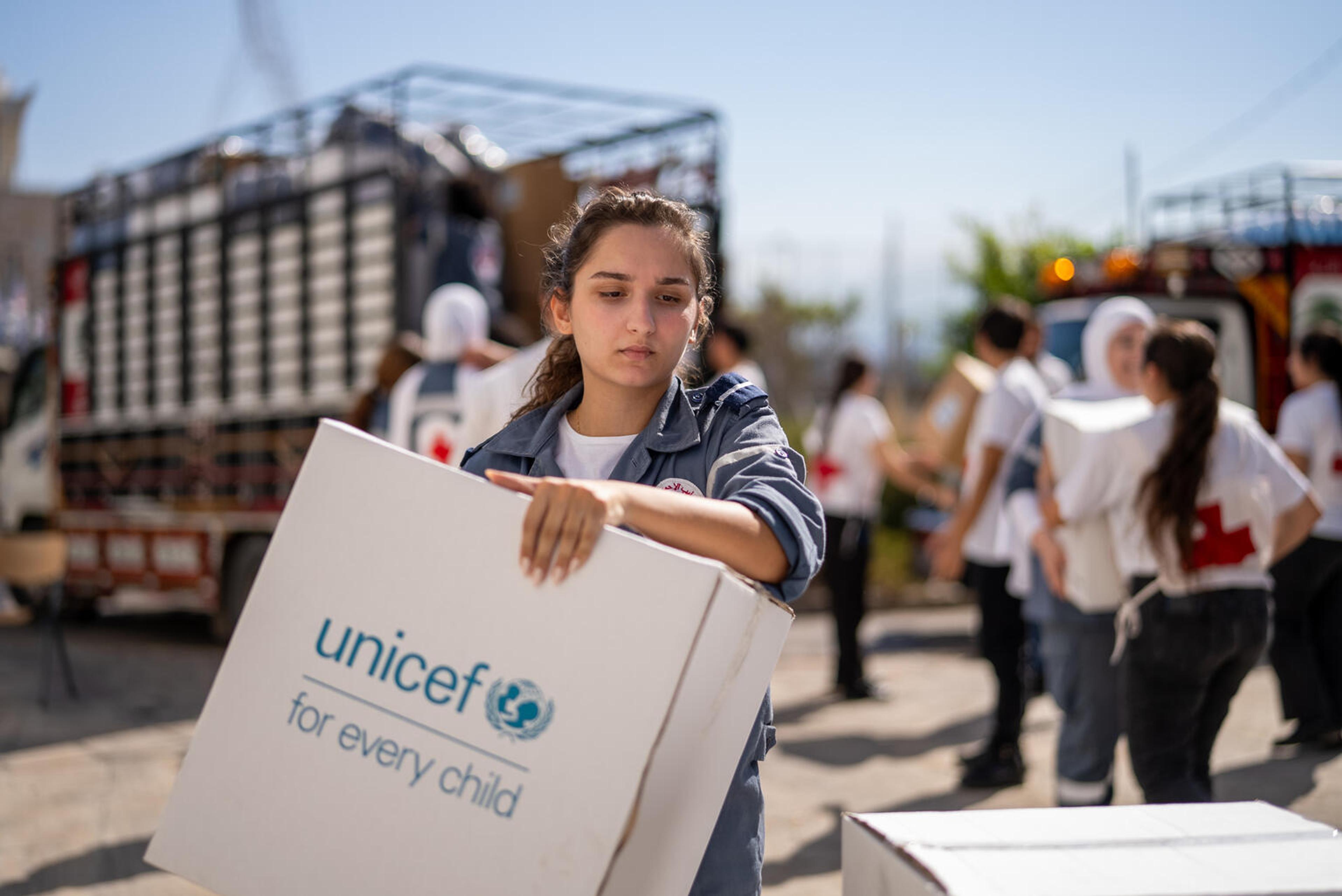
From there, it plays a dual role. Firstly, UNICEF mobilizes, bringing together governments, partners, and the private sector to drive resources where they’re needed most. And second, UNICEF advocates, ensuring children’s rights remain visible, understood, and urgent globally. Both roles depend on trust and clarity, though on a brand that people recognize, and more importantly, believe in.
As Frederique Corbett, CMO & CBO at UNICEF, puts it, “Creating a better world starts with definition, alignment, and measurement.” In practice, this means establishing clarity regarding a brand’s deeper role and purpose beyond profit, followed by coherent and aligned actions.
But it also requires a different lens on measurement, one that looks past visibility to determine whether there is real impact, and whether that impact is meaningful to the communities it aims to serve.
As Frederique Corbett, CMO & CBO at UNICEF, puts it, “Creating a better world starts with definition, alignment, and measurement.” In practice, this means establishing clarity regarding a brand’s deeper role and purpose beyond profit, followed by coherent and aligned actions.
But it also requires a different lens on measurement, one that looks past visibility to determine whether there is real impact, and whether that impact is meaningful to the communities it aims to serve.
More thinking from interbrand


Consistent brand investment is very important for the long-term health and value creation of your brand
How Qualcomm redefines B2B brand-building in the age of AI
Interview

It’s really freeing to be able to focus on the long-term and the humanity of the brand, rather than the next new product.
Built for the long run: GE Aerospace’s approach to brand building
Interview

Are you an AI brand or can AI help your brand increase its value and its identity?