
Pandora: Turning moments into meaning
“We help pick the kind of products that actually mean something special for you.”
Alexander Lacik, CEO, Pandora
How does a jewelry brand become an undisputed retail success in the digital age and at the same time, one of the most valuable brands in the world? For Pandora, the answer hasn’t been linear. Despite its global recognition, the brand reached a point where its identity became blurred: consumers no longer clearly understood what it represented, and its messaging lacked consistency across markets.
When Alexander Lacik took over as CEO in 2019, he approached the situation with a clear belief: every brand turnaround begins with understanding where the connection with the consumer is lost. This insight became the foundation for regaining focus at Pandora.
Seven years later, Pandora stands as one of the most valuable jewelry brands in the world, growing by 7% from 2024 to 2025, according to Best Global Brands. One of the key drivers behind this growth is its ability to create emotional connections. With around 15,000 frontline employees globally, the brand has refined its approach to customer interaction, focusing on understanding the intention behind each purchase. Whether it’s a gift, a personal milestone, or a symbolic moment, Pandora transforms jewelry into a vehicle for storytelling and self-expression.
This renewed clarity also leveraged Pandora’s strongest capabilities while unlocking its future opportunities. The brand thrives in its ability to meet customers wherever they are. Its global presence, with more than 3,000 concept stores, puts the brand within easy reach of customers worldwide.
When Alexander Lacik took over as CEO in 2019, he approached the situation with a clear belief: every brand turnaround begins with understanding where the connection with the consumer is lost. This insight became the foundation for regaining focus at Pandora.
Seven years later, Pandora stands as one of the most valuable jewelry brands in the world, growing by 7% from 2024 to 2025, according to Best Global Brands. One of the key drivers behind this growth is its ability to create emotional connections. With around 15,000 frontline employees globally, the brand has refined its approach to customer interaction, focusing on understanding the intention behind each purchase. Whether it’s a gift, a personal milestone, or a symbolic moment, Pandora transforms jewelry into a vehicle for storytelling and self-expression.
This renewed clarity also leveraged Pandora’s strongest capabilities while unlocking its future opportunities. The brand thrives in its ability to meet customers wherever they are. Its global presence, with more than 3,000 concept stores, puts the brand within easy reach of customers worldwide.
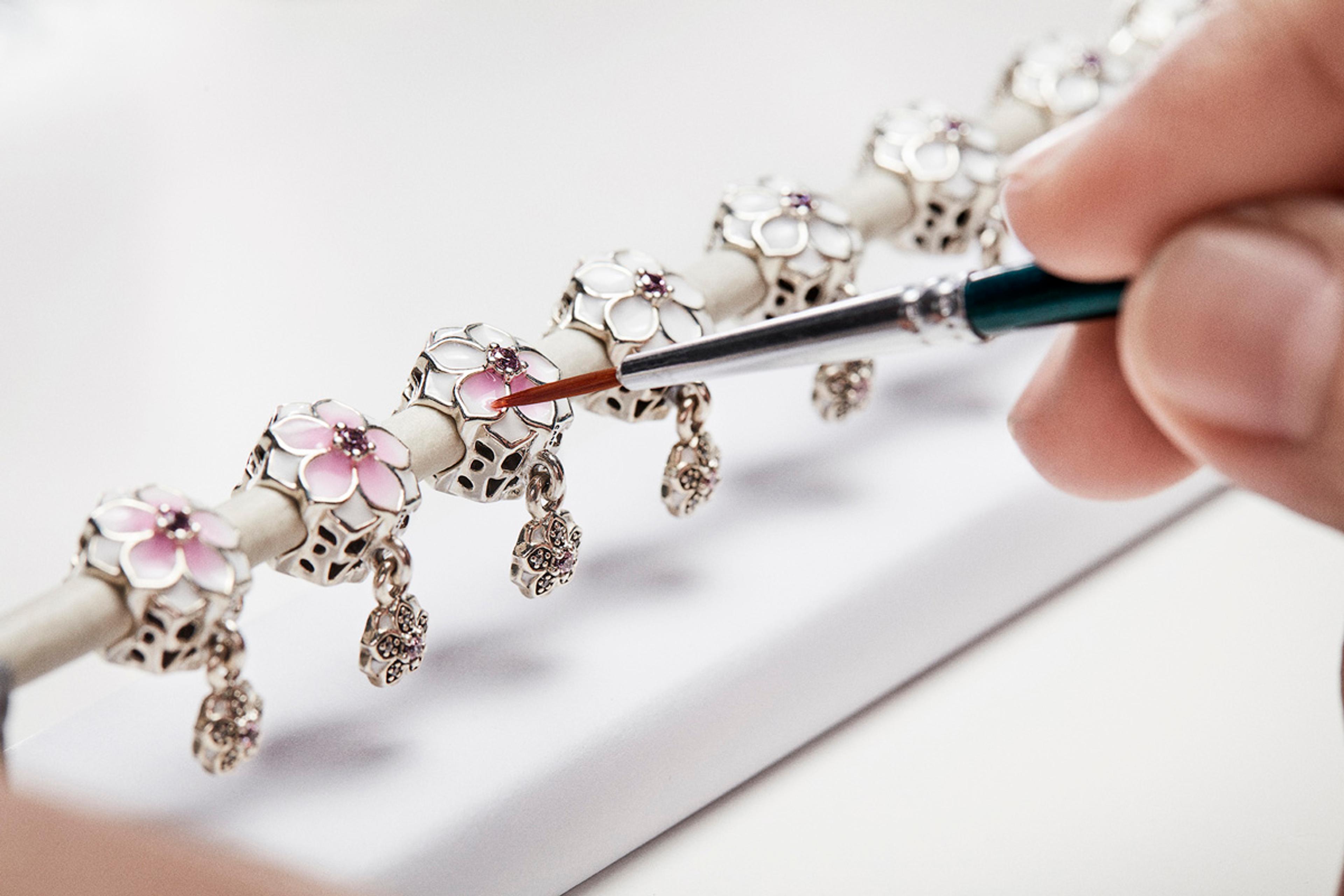
This story of success required a bold and sustained investment in brand coherence. Lacik identified that the core issue was not related to product, pricing, or retail execution, but rather a diluted brand narrative that had confused consumers and reduced interest. By committing to a clear and coherent message across all touchpoints, Pandora rebuilt its identity and strengthen its relevance in a highly competitive market.
At the same time, its business model reinforces long-term engagement. Often described as “captive,” it allows Pandora to recruit a customer once and continue building that relationship over several years, as they return to expand their collections with new charms and pieces. Combined with a geographically diversified presence, this approach not only drives repeat purchases but also mitigates risk across markets.
In the end, Pandora’s strategy raises a simple but powerful question:
What makes a product meaningful and how can a brand help you tell your story through it?
At the same time, its business model reinforces long-term engagement. Often described as “captive,” it allows Pandora to recruit a customer once and continue building that relationship over several years, as they return to expand their collections with new charms and pieces. Combined with a geographically diversified presence, this approach not only drives repeat purchases but also mitigates risk across markets.
In the end, Pandora’s strategy raises a simple but powerful question:
What makes a product meaningful and how can a brand help you tell your story through it?

More thinking from interbrand
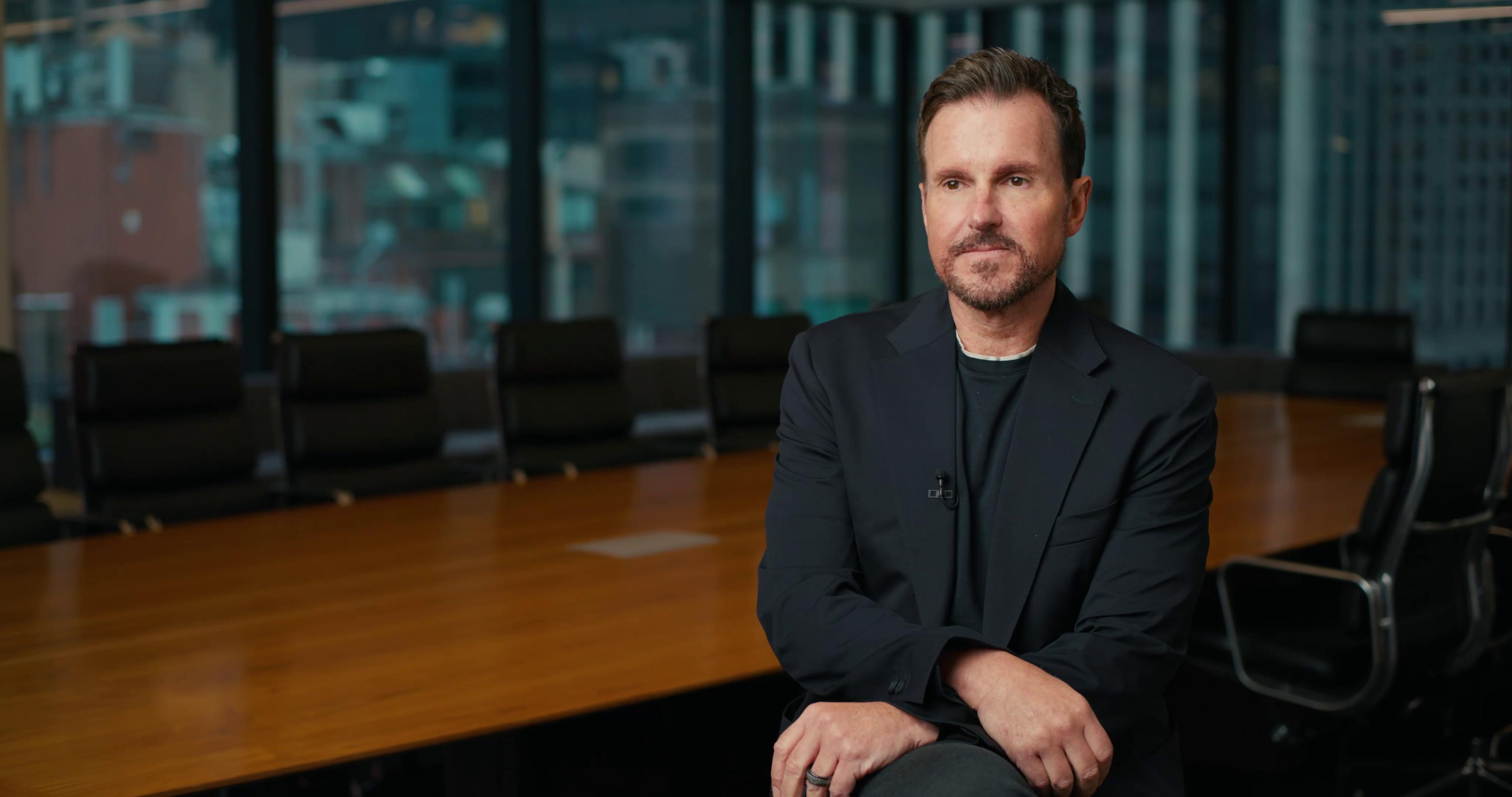

Consistent brand investment is very important for the long-term health and value creation of your brand
How Qualcomm redefines B2B brand-building in the age of AI
Interview

Brands today are no longer built through media spend or visibility, they’re built through brave acts of leadership that uplift people’s lives.
Action over awareness: how UNICEF reimagines brand leadership
Interview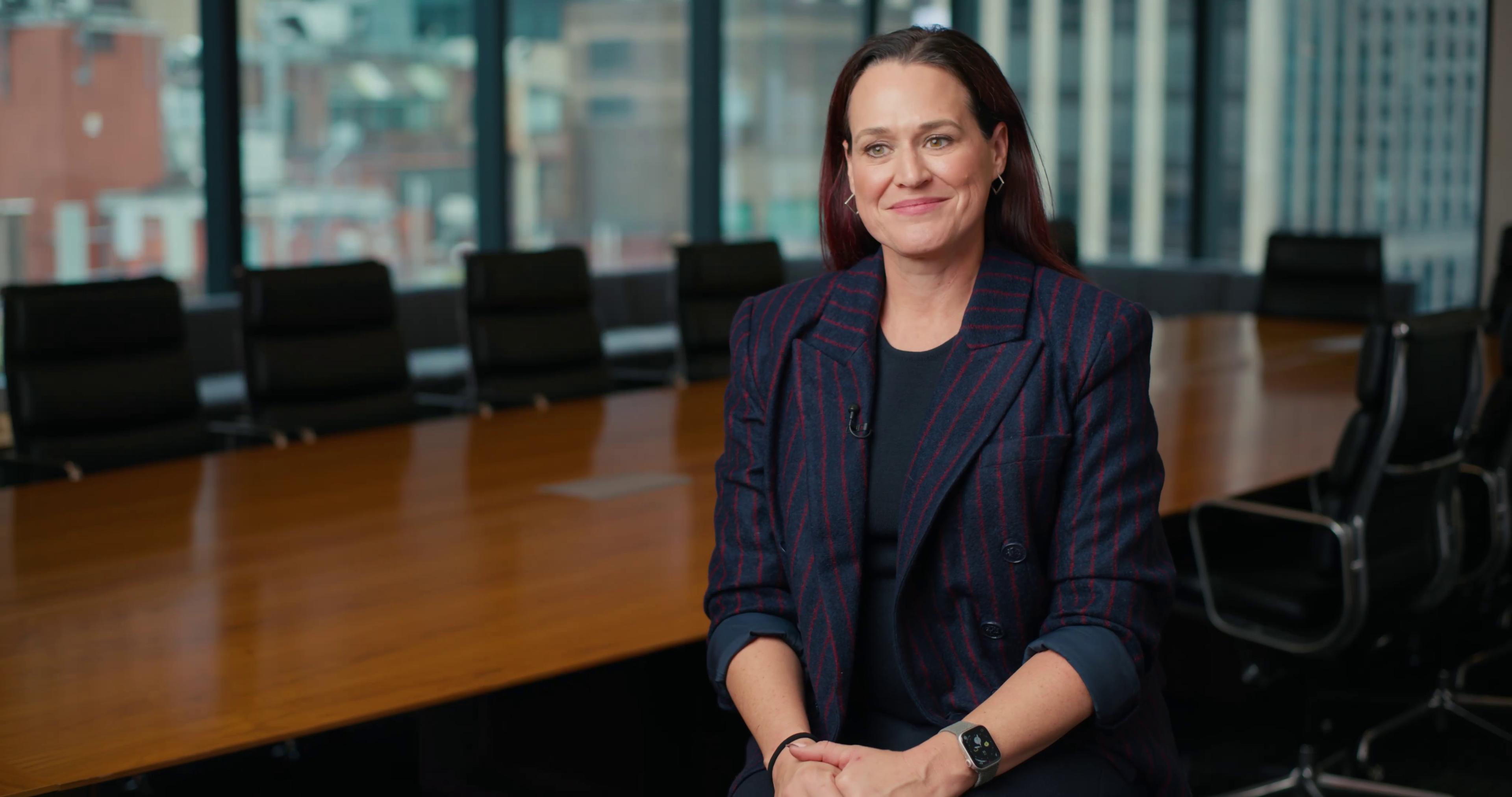

It’s really freeing to be able to focus on the long-term and the humanity of the brand, rather than the next new product.