
Allianz: Trust engineered over time
“Over time, if you teach how important brand is, the learning is that you never cut the investment.”
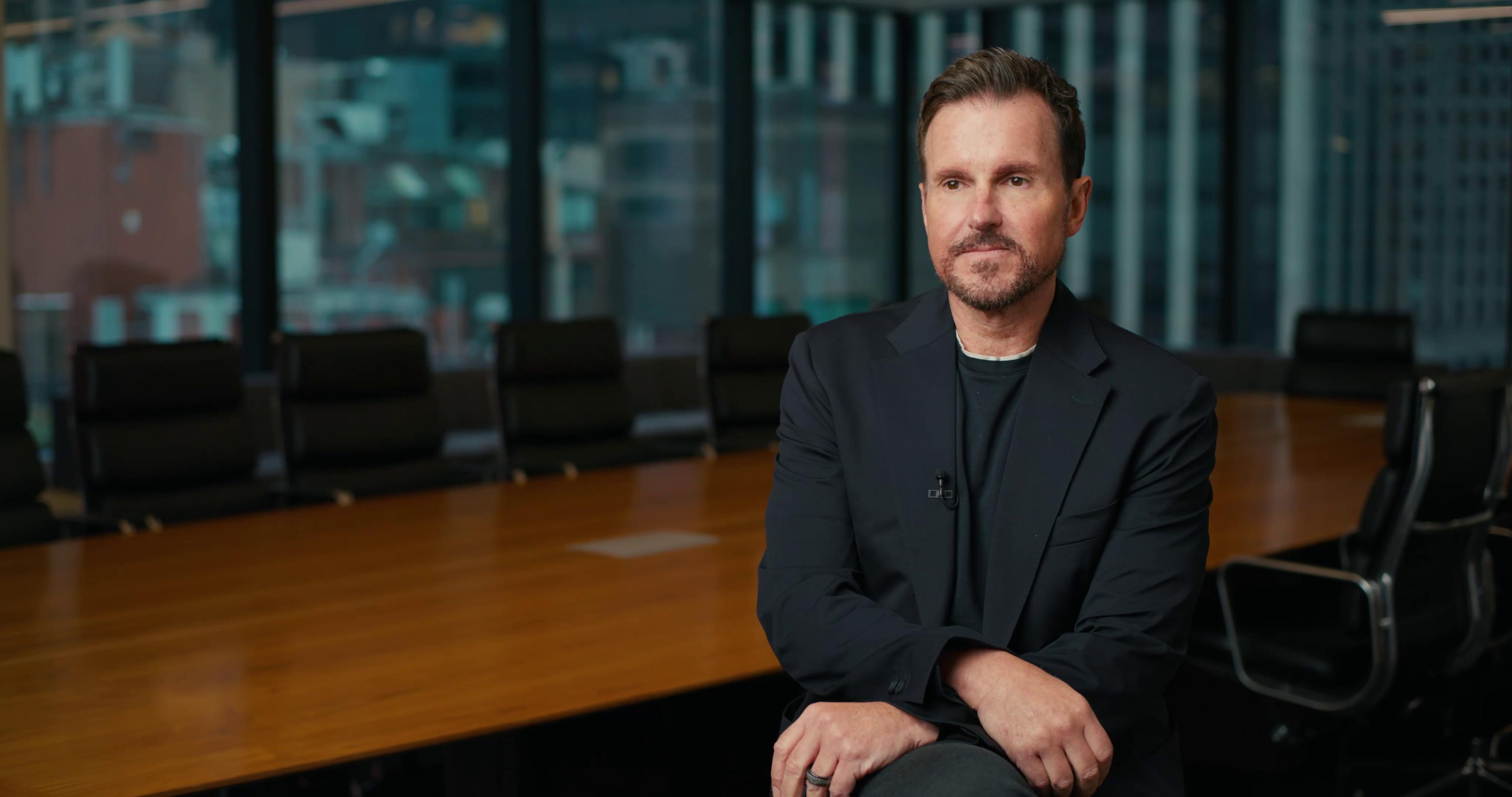
Bernd Heinemann, CMO, Allianz
In a category shaped by uncertainty, Allianz has built something crucial: long-term trust. Insurance revolves around commitments that can take years, sometimes decades, to play out. That reality places the brand at the center of the business, expected to remain reliable through volatility, and shifting consumer expectations.
That tension between stability and adaptation defines Allianz’s strategy today. As their CMO, Bernd Heinemann, explains, long-term thinking is embedded in the business, yet it must continuously coexist with short-term performance demands. A brand that takes decades to build can lose relevance far more quickly if attention slips. Relying on past success may sustain results for a while, but without ongoing investment and relevance, decline becomes inevitable.
This disciplined balance is reflected in Allianz’s brand performance. The brand has increased its value by 20% from 2024 to 2025, according to Best Global Brands, and consolidating its position as the leading insurance brand globally. This progress comes from a deliberate approach to data, analytics, and measurement, used to sharpen performance and give the long-term contribution of the brand real visibility across the business.
That tension between stability and adaptation defines Allianz’s strategy today. As their CMO, Bernd Heinemann, explains, long-term thinking is embedded in the business, yet it must continuously coexist with short-term performance demands. A brand that takes decades to build can lose relevance far more quickly if attention slips. Relying on past success may sustain results for a while, but without ongoing investment and relevance, decline becomes inevitable.
This disciplined balance is reflected in Allianz’s brand performance. The brand has increased its value by 20% from 2024 to 2025, according to Best Global Brands, and consolidating its position as the leading insurance brand globally. This progress comes from a deliberate approach to data, analytics, and measurement, used to sharpen performance and give the long-term contribution of the brand real visibility across the business.

At the same time, automation and agents might reshape the insurance landscape. Yet, Heinemman claims human interaction remains critical. Insurance decisions often involve complexity, emotion, and trust elements that technology alone cannot fully replace. The future, therefore, lies in combining efficiency with empathy: leveraging AI to enhance processes while preserving meaningful human touchpoints, especially in customer interaction or major financial decisions.
This mindset becomes even more critical in times of pressure, when marketing budgets are often the first to be reduced. Allianz has worked to shift this perception internally, demonstrating that brand investment is not expendable, but essential. By grounding decisions in data and external benchmarks, the company has been able to show that cutting brand support weakens long-term value, while sustained investment strengthens resilience and growth.
Allianz’s trajectory ultimately shows that strong brands are not built through short bursts of activity, but through consistency over time.
This mindset becomes even more critical in times of pressure, when marketing budgets are often the first to be reduced. Allianz has worked to shift this perception internally, demonstrating that brand investment is not expendable, but essential. By grounding decisions in data and external benchmarks, the company has been able to show that cutting brand support weakens long-term value, while sustained investment strengthens resilience and growth.
Allianz’s trajectory ultimately shows that strong brands are not built through short bursts of activity, but through consistency over time.

More thinking from interbrand

Consistent brand investment is very important for the long-term health and value creation of your brand
How Qualcomm redefines B2B brand-building in the age of AI
Interview

Brands today are no longer built through media spend or visibility, they’re built through brave acts of leadership that uplift people’s lives.
Action over awareness: how UNICEF reimagines brand leadership
Interview

It’s really freeing to be able to focus on the long-term and the humanity of the brand, rather than the next new product.